
Some of the most surprising details in CHOKE POINT aren’t fiction at all. From one of the world’s most consequential maritime chokepoints to an obscure rule of forensic science, here are five pieces of real-world research that helped shape Scot Harvath’s latest mission.
1. THE STRAIT OF MALACCA
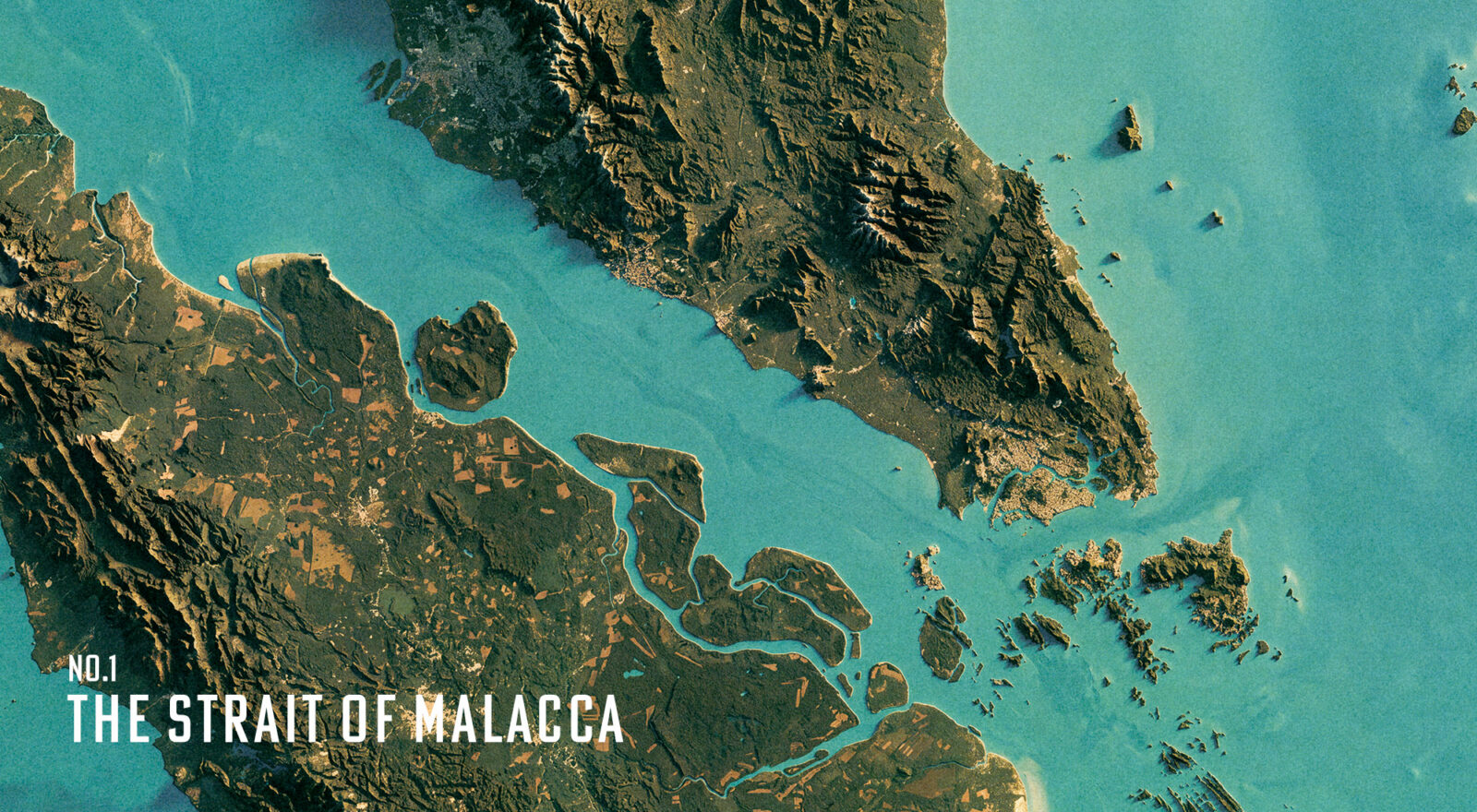
At its narrowest point, the Strait of Malacca is only about 1.7 miles wide. Yet this slender passage between the Malay Peninsula and the Indonesian island of Sumatra is one of the most strategically important waterways on Earth.
Nearly 22 percent of global maritime trade passes through the Strait, along with roughly 29 percent of the world’s seaborne oil. For China, the stakes are even higher: approximately three-quarters of its seaborne crude oil imports transit the Malacca Strait.
I knew the Strait was strategically important, but I didn’t appreciate just how extraordinary China’s dependence on it was. In a crisis, disruption of this single maritime chokepoint could have enormous consequences for China’s economy and energy security.
Malacca was the discovery that unlocked CHOKE POINT.
It explains the title. It explains China’s strategic anxiety. It provides the geopolitical logic behind much of what happens in the story. And unlike a fictional vulnerability invented for a thriller, the Malacca problem is real.
Once I truly understood that, I understood the book I wanted to write.

2. NYSTEN’S RULE
Rigor mortis doesn’t cause the entire body to stiffen at once—or at least, it doesn’t appear that way.
Under a principle known as Nysten’s Rule, stiffness first becomes noticeable in the smaller muscles of the face, particularly around the eyes and jaw, before becoming apparent in larger muscle groups. The process is driven by the depletion of ATP, the molecule muscles need in order to relax after contraction.
Temperature, physical condition, exertion before death, and other factors can alter the timing and progression.
What fascinated me was that this recognizable progression exists at all. It’s one of those forensic details most people never encounter until they have a reason to research death.
And in CHOKE POINT, Scot Harvath finds himself in a situation where knowing exactly what happens to a body after death proves unexpectedly valuable.
3. YOU CAN GET A THAI VISA TO STUDY MUAY THAI
Thailand’s Destination Thailand Visa, or DTV, was created for foreigners who want to spend extended periods of time in the country.
Among the activities that can qualify?
Muay Thai.
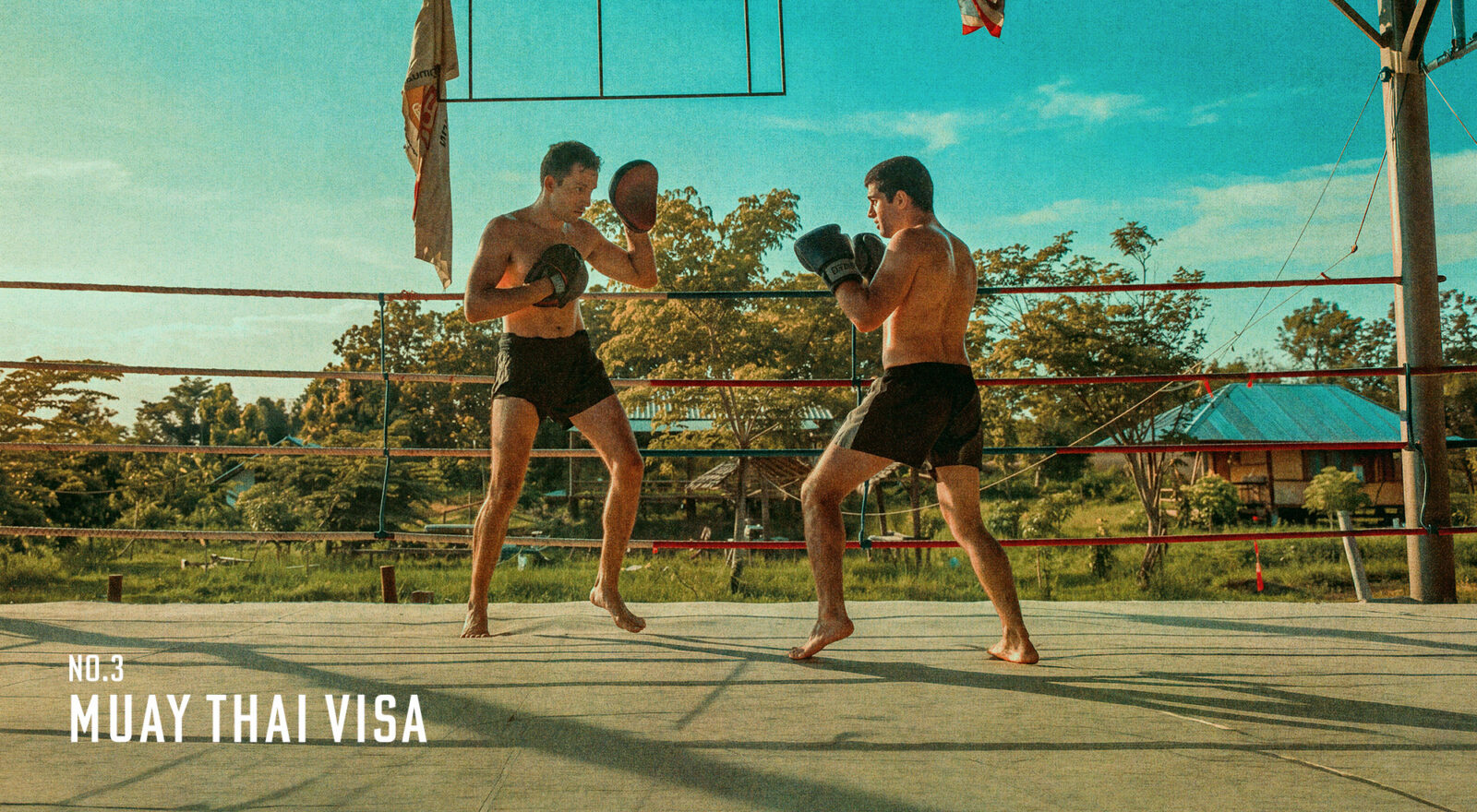
The DTV is valid for five years and permits stays of up to 180 days per entry. Thailand includes Muay Thai training among its “soft power” activities, alongside Thai cooking and other cultural experiences.
I was surprised to learn that foreigners could qualify for an extended-stay visa through something like Muay Thai training. Once I discovered that, I immediately saw how useful it could be as a believable cover in a thriller.
In CHOKE POINT, former Navy SEAL and explosives expert Kevin Koebler enters Thailand under a Dutch identity and uses enrollment at a Bangkok Muay Thai gym as part of his cover.
4. FBI EVIDENCE RESPONSE TEAMS
When most people picture the FBI, they imagine special agents pursuing terrorists, kidnappers, spies, or organized criminals.
They probably don’t picture the Bureau’s Evidence Response Teams.
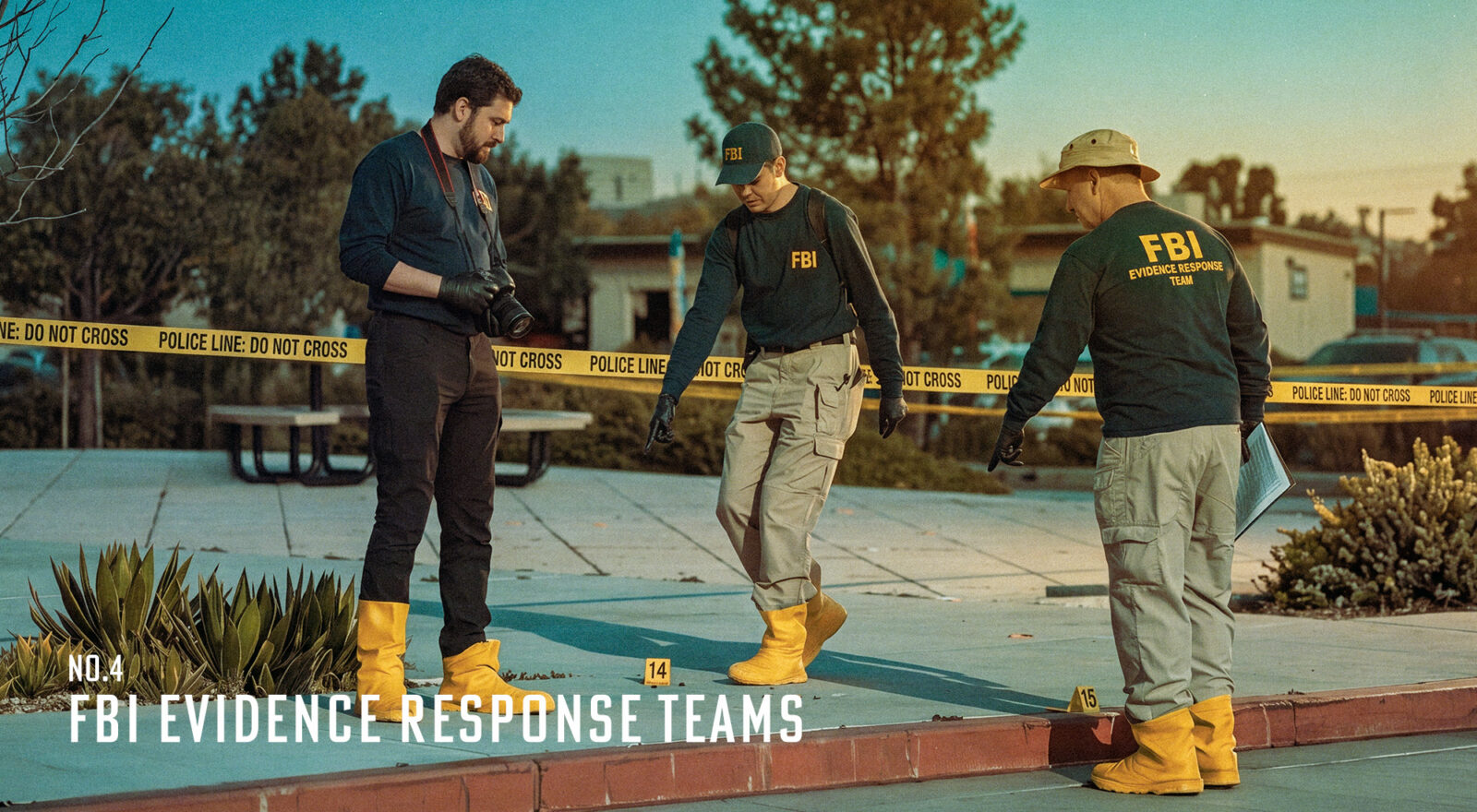
ERTs are specially trained FBI personnel who process complex crime scenes—documenting them, identifying and collecting evidence, packaging material for forensic examination, and preserving the chain of custody necessary to use that evidence in court. The teams can include not only special agents, but intelligence analysts, forensic accountants, computer specialists, and other professional staff.
I knew the FBI investigated major crimes and terrorism. What I hadn’t appreciated was the scale of its specially trained crime-scene response capability—or that FBI personnel can deploy overseas to help process enormous terrorism scenes and recover evidence.
Following the Boston Marathon bombing, for example, FBI Evidence Response Team personnel helped process twelve square blocks and thousands of pieces of evidence.
So when FBI personnel are working the devastating Bangkok bombing scenes in CHOKE POINT, there is a very real organization and methodology behind what they are doing.
5. MASKIROVKA & OPERATION FORTITUDE
Sometimes the most important military operation is the one your enemy thinks you are conducting.
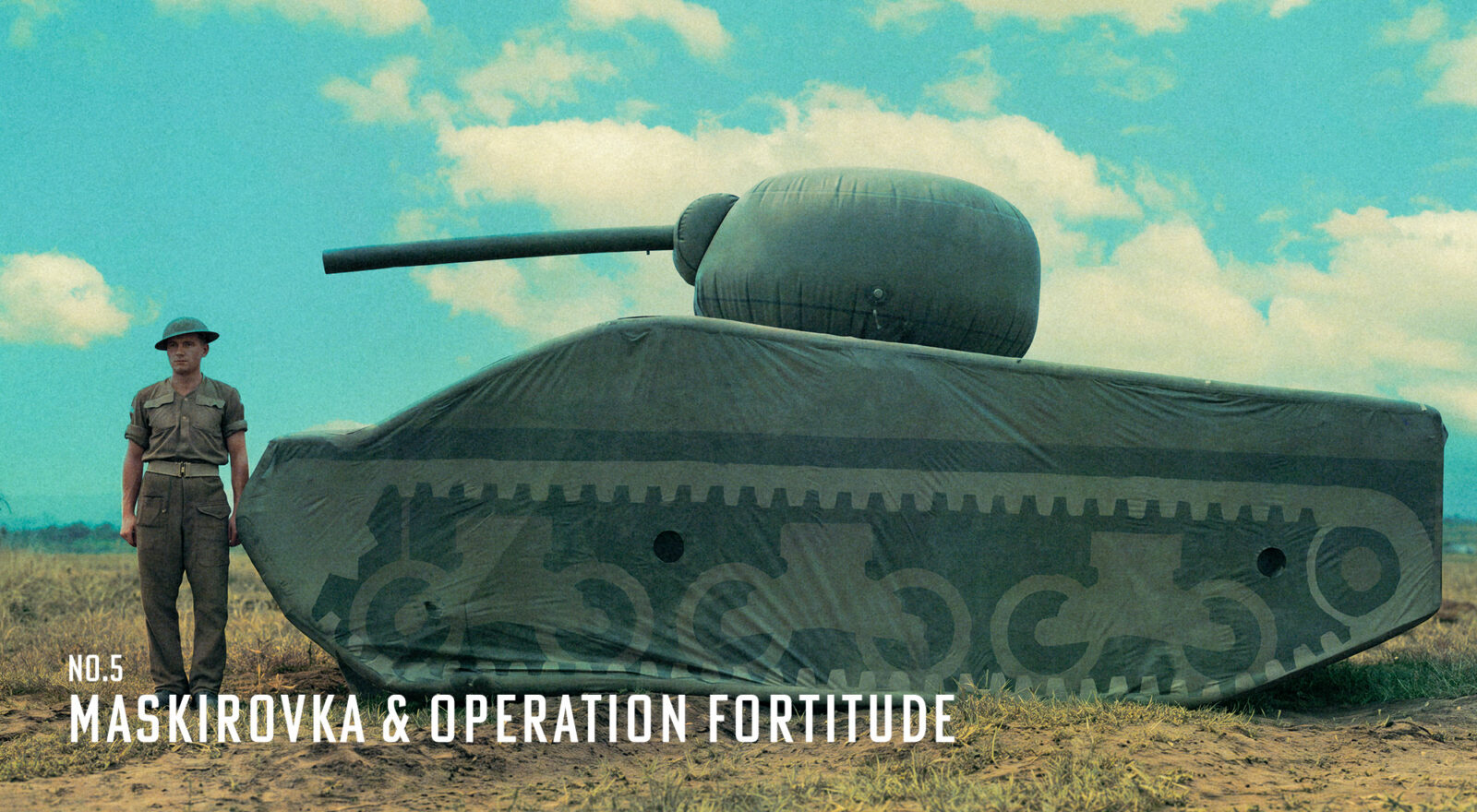
The Russian term maskirovka describes a long tradition of military deception designed to conceal forces and intentions while convincing an adversary to focus on the wrong threat. It can involve camouflage, false troop movements, disinformation, decoys, simulated military activity, and misleading communications.
One of history’s most famous examples of military deception wasn’t Russian at all.
Before D-Day, the Allies used Operation Fortitude to help convince Nazi Germany that the main invasion of Europe would strike at Pas-de-Calais rather than Normandy. A fictitious army supposedly commanded by General George S. Patton, dummy equipment, deceptive radio traffic, and other measures helped sell the story.
The deception worked.
What struck me while researching it was the larger lesson: a successful deception operation doesn’t simply hide what you’re doing. It gets your adversary to concentrate on precisely the wrong thing.
That idea became extremely important to CHOKE POINT.
What if everyone is watching exactly what the enemy wants them to watch?